Irrigation Repair: Tips for Fixing Common Issues in Your Irrigation System
If you have an irrigation system, you know how important it is to keep it running smoothly. But like any other mechanical system, irrigation systems can develop problems over time. In this blog, we’ll explore some of the most common issues that can arise in an irrigation system and provide tips for repairing them.
Common Issues in Irrigation Systems:
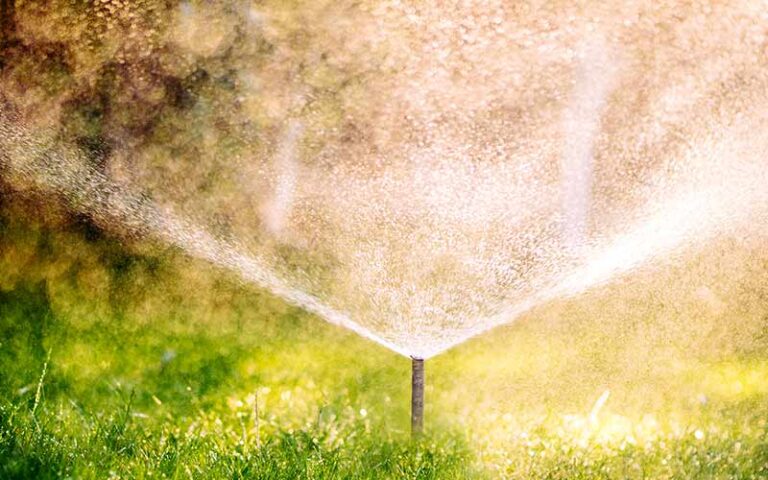
- Leaking sprinkler heads: Leaking sprinkler heads can be caused by clogs, cracks, or damaged seals. If you notice a leak, follow these steps to fix it:
- Turn off the water supply to the irrigation system.
- Remove the sprinkler head by twisting it counterclockwise.
- Check for any visible cracks or damage to the sprinkler head.
- Clean out any clogs or debris from the sprinkler head.
- Replace any damaged or worn-out seals.
- Reattach the sprinkler head and turn the water supply back on to test for leaks.
- Clogged nozzles: Clogged nozzles can cause uneven watering or no watering at all. To fix a clogged nozzle, follow these steps:
- Turn off the water supply to the irrigation system.
- Remove the nozzle by twisting it counterclockwise.
- Check for any visible clogs or debris in the nozzle.
- Clean out any clogs or debris using a small wire or pin.
- Reattach the nozzle and turn the water supply back on to test the flow.
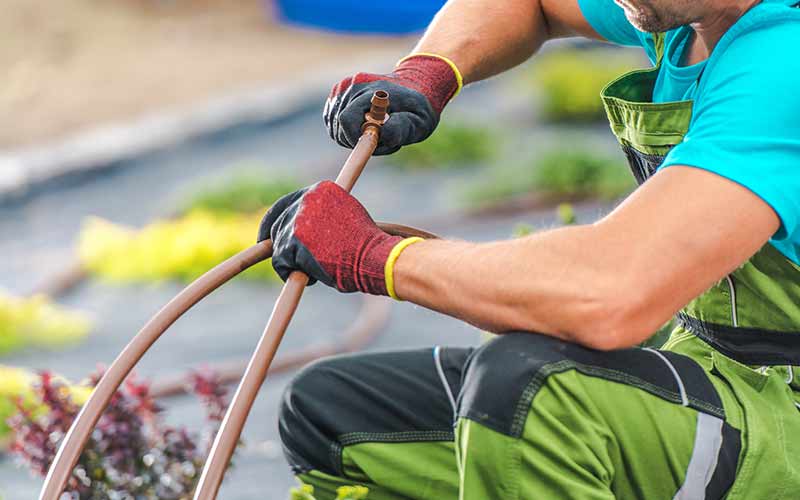
- Broken pipes or fittings: Broken pipes or fittings can be caused by freezing temperatures or accidental damage. To repair a broken pipe or fitting, follow these steps:
- Turn off the water supply to the irrigation system.
- Locate the broken section of the pipe or fitting.
- Cut out the damaged section of the pipe or fitting using a pipe cutter or hacksaw.
- Measure and cut a replacement section of pipe or fitting.
- Attach the replacement section using couplings or fittings.
- Turn the water supply back on to test the repair.
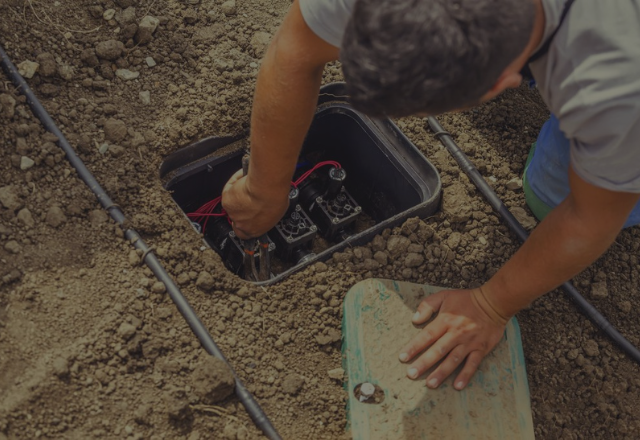
- Controller issues: Controller issues can be caused by programming errors or faulty wiring. To troubleshoot and fix a controller issue, follow these steps:
- Check the controller’s power source to ensure it is working.
- Check the controller’s wiring to ensure there are no loose or damaged connections.
- Check the controller’s programming to ensure it is set up correctly.
- Reset the controller to its factory settings and reprogram it if necessary.
- Consider upgrading to a newer, more efficient controller if your current one is outdated or malfunctioning.
- Low water pressure: Low water pressure can be caused by clogs or leaks in the irrigation system. To diagnose and fix low water pressure issues, follow these steps:
- Check the water supply to the irrigation system to ensure it is working properly.
- Check for any visible leaks in the system and repair them as needed.
- Check for any clogs or debris in the system and clean them out as needed.
- Consider upgrading to a higher-pressure irrigation system if necessary.
By understanding some of the most common issues in irrigation systems and how to repair them, you can keep your system running smoothly and efficiently. Remember to perform regular maintenance on your irrigation system to prevent problems from developing in the first place. And if you’re ever unsure about how to repair an issue, don’t hesitate to consult a professional irrigation repair technician. With a little care and attention, you can enjoy a lush, healthy lawn all season long.